
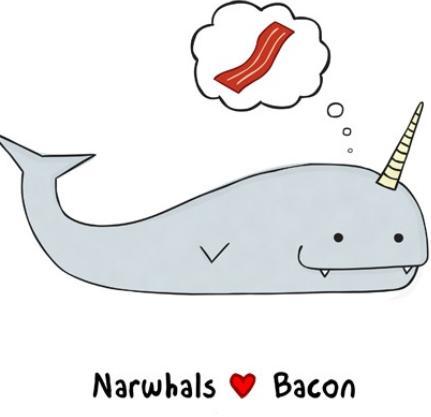
In Reddit’s early days, a strange question emerged: “when does the narwhal bacon?” Redditors used the phrase to verify online membership when meeting in the real world. If someone responded, “at midnight,” then you knew they were a redditor. This exchange demonstrates that online identity extends beyond usernames to encompass a shared, offline culture. The phrase is often cited as an early example of how online communities developed shared language to signal belonging. For PR professionals, the narwhal “baconing” offers a lesson in authenticity, showing why brands must understand how digital tribes form and function.
Authenticity: Empty Buzzwords Aren’t Enough
Brands often talk about authenticity but struggle to build trust with digital communities. On platforms like Reddit, authenticity is proven through alignment with the interests of specific subreddits, not through messaging designed to drive sales conversions. The “narwhal bacons” phrase spread because it was born organically from a real community.
PR pros can’t force authenticity into messaging: credibility tends to emerge through listening, observing, and understanding the social dynamics of online communities. They need to understand why a shared cultural touchpoint exists and how it reflects community norms and expectations. In practice, authenticity is reinforced through consistent participation and responsiveness, rather than attempts to manufacture trust.
Bridging the Gap Between Online Identity and Real-World Influence
Today, the bridge between digital identity to physical presence is stronger than ever. Online communities influence market decisions (like /r/WallStreetBets spurring GameStop stock purchases), drive large-scale meetups (SneakerCon, ComicCon), and even shape how news organizations cover stories. What starts as a shared post, phrase, or inside joke can turn into real-world momentum.
Influence is no longer confined to traditional media outlets. It’s strengthened by community mobilization, where audiences move from commenting online to showing up in person, sharing content or championing brands. When brands understand how engagement with digital communities translates to offline action, they can build more meaningful connections.
This dynamic highlights how online engagement can translate into offline action and visibility.
Chives and Upvotes: A Recent Case Study
For a more recent example, a user on the /r/KitchenConfidential subreddit, a community for food service industry workers, started posting pictures of chopped chives on a near daily basis, titling the posts “Cutting chives every day until Reddit says they’re perfect”. The posts became a viral sensation on Reddit, attracting massive amounts of traffic, views, memes, inside jokes, and upvotes.
Philadelphia Cream Cheese soon published an ad for their new chive-flavored cream cheese, referencing the viral posts. The community rallied around the original poster with congratulations, while also turning a suspicious eye toward the brand, hoping the poster would be compensated in some way. Philadelphia Cream Cheese then sent a care package to the user, including stickers, merchandise, and a high-quality knife set, which the user posted on the subreddit, resulting in extremely high engagement.
The exchange highlighted how online communities often expect acknowledgment and reciprocity when brands reference culture created by users.
Lessons Learned From the Narwhal’s Baconing
While absurd, the “narwhal baconing” represents how today’s online spaces increasingly shape offline interaction. When a community believes in something, it creates its own way to translate that identity into the real world. For PR pros, this underscores the importance of observing how community-driven language and behavior influence trust and participation, rather than relying solely on top-down messaging.
.png)


